Small Design Details That Make Kids’ Dresses Special


A beautiful kids’ dress is not defined only by its colour, fabric, or overall shape. Often, it is the small design details that make an outfit truly charming and memorable. Features such as delicate embroidery, neat pleats, soft ruffles, decorative buttons, and carefully designed collars can transform a simple dress into something unique.
In children’s clothing, these details should not only look attractive but also remain comfortable, safe, and practical. Thoughtful design helps children move freely while giving every outfit a special personality.
Beautiful Collars That Add Character
Collars are one of the first details people notice in a dress. A well-designed collar can instantly improve the overall appearance of an outfit.
Peter Pan collars create a sweet and classic look, while double collars add more depth and elegance. Lace-trimmed and embroidered collars can make a simple dress suitable for birthdays, family gatherings, and other special occasions.
The collar should always be made using soft fabric so that it does not irritate the child’s neck. When comfort and design are balanced properly, the collar becomes both stylish and child-friendly.
Ruffles That Create a Playful Look
Ruffles are a popular feature in kidswear because they add movement, softness, and charm. They can be placed around the neckline, sleeves, shoulders, waist, or hemline.
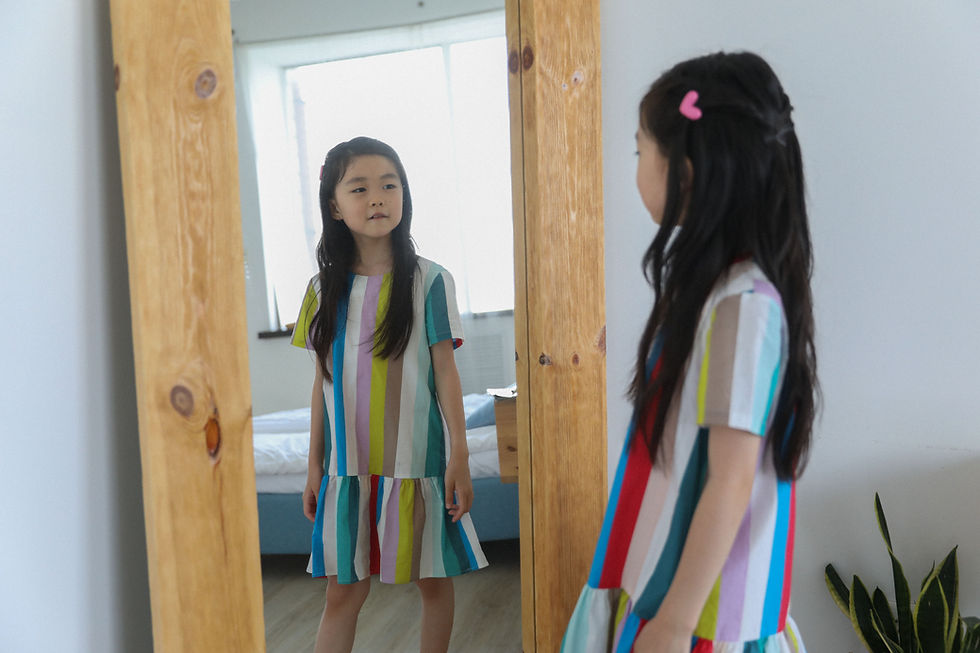
Ruffled sleeves give dresses a light and playful appearance, while a ruffled bottom creates a beautiful finish when the child walks or twirls. Small ruffle details can also make an ordinary design look more fashionable without making it too heavy.
The size and placement of the ruffles are important. Soft, lightweight ruffles help maintain comfort and allow children to move freely.
Embroidery That Makes Every Dress Unique
Embroidery adds a handcrafted and premium feel to children’s clothing. Small floral patterns, stars, leaves, animals, or simple decorative motifs can make a dress look more detailed and attractive.
Embroidery can be added to the bodice, collar, sleeves, pockets, or skirt. Even a small embroidered design can become the highlight of the entire outfit.
For kidswear, the embroidery should be smooth and neatly finished on the inside. Rough threads or thick stitching may cause discomfort, so proper finishing is essential.
Pleats That Improve Shape and Movement
Pleats are both decorative and functional. They help create structure while allowing extra room for movement.
Box pleats, inverted pleats, and side pleats can give skirts and frocks a fuller appearance. They also help the dress fall beautifully and make it easier for children to walk, run, and play.
Neatly arranged pleats create a clean and polished look. When placed correctly, they add volume without making the outfit feel bulky.
Buttons That Add Style and Function
Buttons may appear to be a small part of a dress, but they can make a big difference. They can be used as closures or simply as decorative features.
Wooden buttons create a natural look, pearl-style buttons add elegance, and colourful buttons bring a playful touch. Buttons placed on the front, shoulder, or back can also make dressing easier for parents.
For children’s clothing, buttons must be securely attached. Their size and placement should be selected carefully to ensure safety and comfort.
Lace That Brings Soft Elegance
Lace is often used to give kids’ dresses a delicate and graceful finish. It can be added around the collar, sleeve edges, neckline, placket, waistline, or bottom hem.
A small amount of lace can make a simple cotton or linen dress look more special. Hakoba and eyelet lace are also popular because they add texture while maintaining a soft, breathable appearance.
The lace should not feel rough against the skin. Soft lining or careful placement can help keep the dress comfortable throughout the day.
Sleeve Details That Change the Entire Look
Sleeves play an important role in the style of a dress. Puff sleeves create a traditional and charming appearance, while flutter sleeves give a soft and flowy effect.
Cuffed sleeves provide a neat finish, and elasticated sleeves make the outfit easier to wear. Small details such as embroidery, lace, gathers, or ruffles can make the sleeves stand out.
The sleeve design should allow easy arm movement so that the child can play comfortably without feeling restricted.
Pockets That Combine Fun and Practicality
Pockets are a useful addition to kids’ dresses. Children enjoy keeping small toys, handkerchiefs, or tiny treasures in their pockets.
Pockets can also become an attractive design feature. They may be decorated with embroidery, contrast fabric, lace, or buttons.
Well-positioned pockets add both style and functionality. They should be easy to reach and large enough to be useful without affecting the shape of the dress.
Decorative Yokes and Bodice Designs
The yoke is an important section of many children’s dresses. A V-shaped yoke, curved yoke, square yoke, or embroidered bodice can give the outfit a distinctive appearance.
Pintucks, gathers, lace panels, and contrast piping can be added to the bodice to create more visual interest. These small details make the upper part of the dress look structured and beautifully finished.
A properly designed yoke can also improve the fit and help the skirt fall naturally.
Hemlines That Give the Dress a Special Shape
The bottom finish of a dress can completely change its appearance. A straight hem offers a simple and classic look, while a curved or U-shaped hem creates a softer and more stylish silhouette.
Ruffled hems, lace borders, embroidered edges, and contrast panels can add extra beauty. Circular skirts create natural movement and look especially attractive when children spin or walk.
The hemline should be carefully finished to maintain the shape of the dress and prevent the fabric from fraying.
Fabric Texture as a Design Detail
The texture of the fabric is also an important part of the design. Cotton offers softness and breathability, linen blends provide a natural and elegant look, and denim creates a structured and stylish appearance.
Combining fabrics can also make an outfit unique. For example, a soft cotton dress may include lace sleeves, an embroidered collar, or a textured yoke.
The selected fabric should always suit the child’s age, activity level, and the season.
Neat Finishing Makes the Biggest Difference
Even the most beautiful design can lose its appeal if the finishing is poor. Clean stitching, properly aligned patterns, smooth seams, and carefully attached trims make a dress look more professional.
The inside of the garment is equally important. Soft seams, secure buttons, covered elastic, and neatly trimmed threads help ensure comfort and durability.
Good finishing shows the care and effort that goes into every piece of clothing.
Comfort Should Always Come First
Design details should never make a child feel uncomfortable. Heavy decorations, rough lace, tight elastic, sharp accessories, or bulky stitching can affect the child’s experience.
Every detail should support easy movement, softness, and breathability. Children should be able to run, sit, play, and enjoy their day without constantly adjusting their clothes.
The best kidswear combines attractive design with practical comfort.
Conclusion
Small design details have the power to turn a simple kids’ dress into something truly special. Ruffles, collars, pleats, embroidery, lace, buttons, pockets, and carefully finished hems each contribute to the beauty and character of an outfit.
At FJ Design, thoughtful details help create children’s clothing that looks charming, feels comfortable, and suits every special moment. When each element is designed with care, the result is a dress that both children and parents will love.

Comments